Study Abroad in
Senegal & Gambia
Travel Dates
May 26 - June 5, 2027Application Deadline
September 1, 2026
Discover Teranga. Embrace Community. Experience Francophone Africa.
Experience the warmth of Teranga—the Senegalese philosophy of hospitality—through an unforgettable journey of cultural immersion, academic exploration, and community engagement. Discover the rich traditions, history, and shared heritage of Senegal and The Gambia while building meaningful connections that extend beyond borders and language.

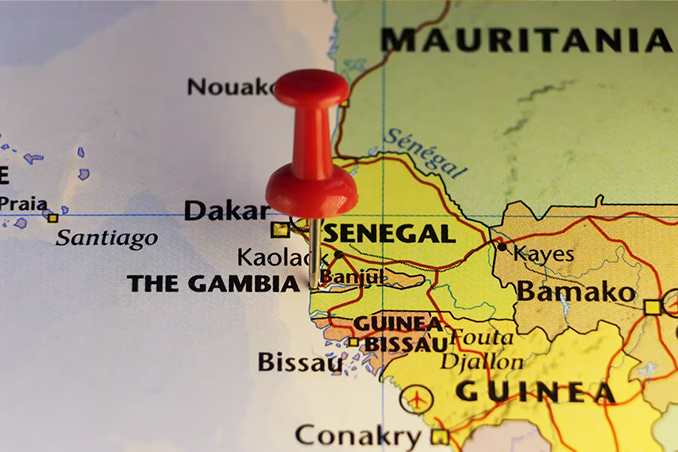
Journey Through Senegal & Gambia: HAEC-3GC 2027 Experience
Senegal and The Gambia offer a unique gateway into Francophone West Africa, where hospitality, community, and cultural identity shape everyday life. While language often discourages many English-speaking students from exploring these countries, those who do discover vibrant cultures, rich histories, and welcoming communities that transcend linguistic differences.
The HAEC-3GC Senegal & The Gambia Experience invites participants to embrace Pan-Africanism through authentic cultural exchange and meaningful engagement. By learning from local communities, navigating new cultural environments, and experiencing life through a collective lens, participants gain a deeper understanding of Africa, themselves, and the power of connection across the diaspora.
Program Highlights
Cultural Immersion
Experience Senegal and The Gambia through surfing, traditional henna, local markets, mosques, and vibrant cultural traditions. Every adventure offers a deeper connection to the region's people and way of life.
Community Impact
Work alongside local schools and community organizations on youth-focused initiatives. Share your skills while learning from the people and communities you serve.
History & Heritage
Visit iconic landmarks including Gorée Island, Ngor Island, Lac Rose, and the African Renaissance Monument. Discover the history and resilience that have shaped West Africa and the African diaspora.
Support Every Step of the Journey
Safe & Comfortable Accommodation
Carefully selected housing arrangements designed with participant comfort, safety, and convenience in mind.
Travel & Health Preparation
Support with essential travel guidance, health requirements, and resources to help participants prepare for their journey.
Dedicated Program Support
Guidance from HAEC-3GC staff and local coordinators who are available to assist participants throughout the experience.